Pilot Line 1
Scalable Coating Processes & Advanced Heat-Treatment for AEL

Overview
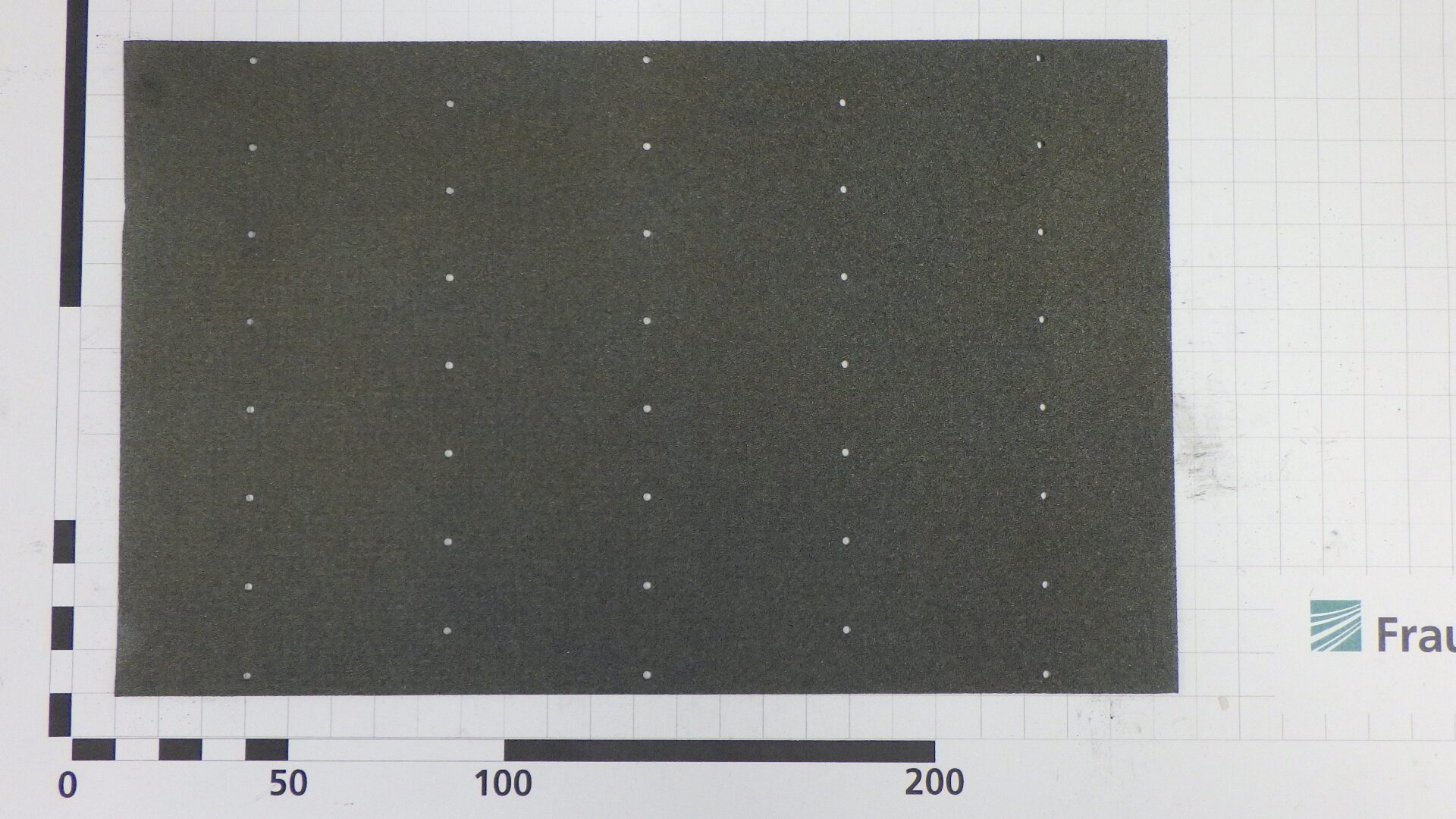
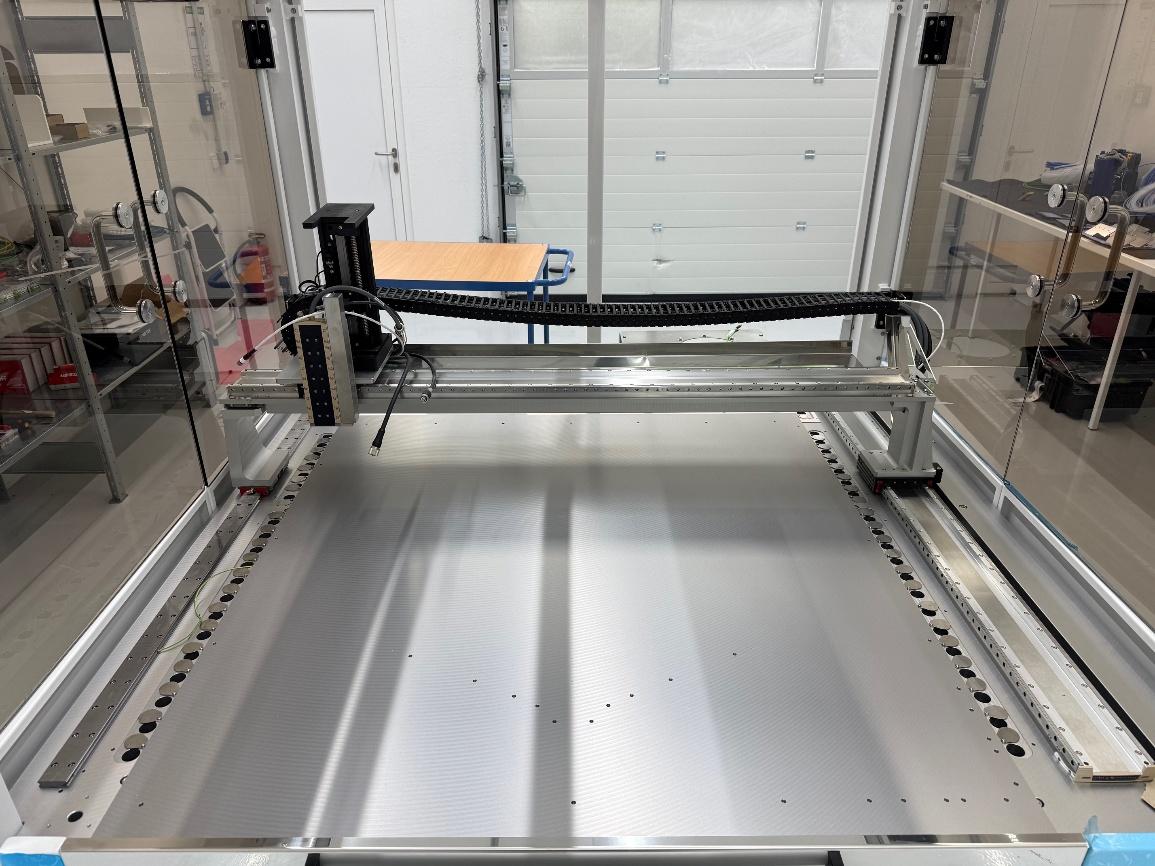
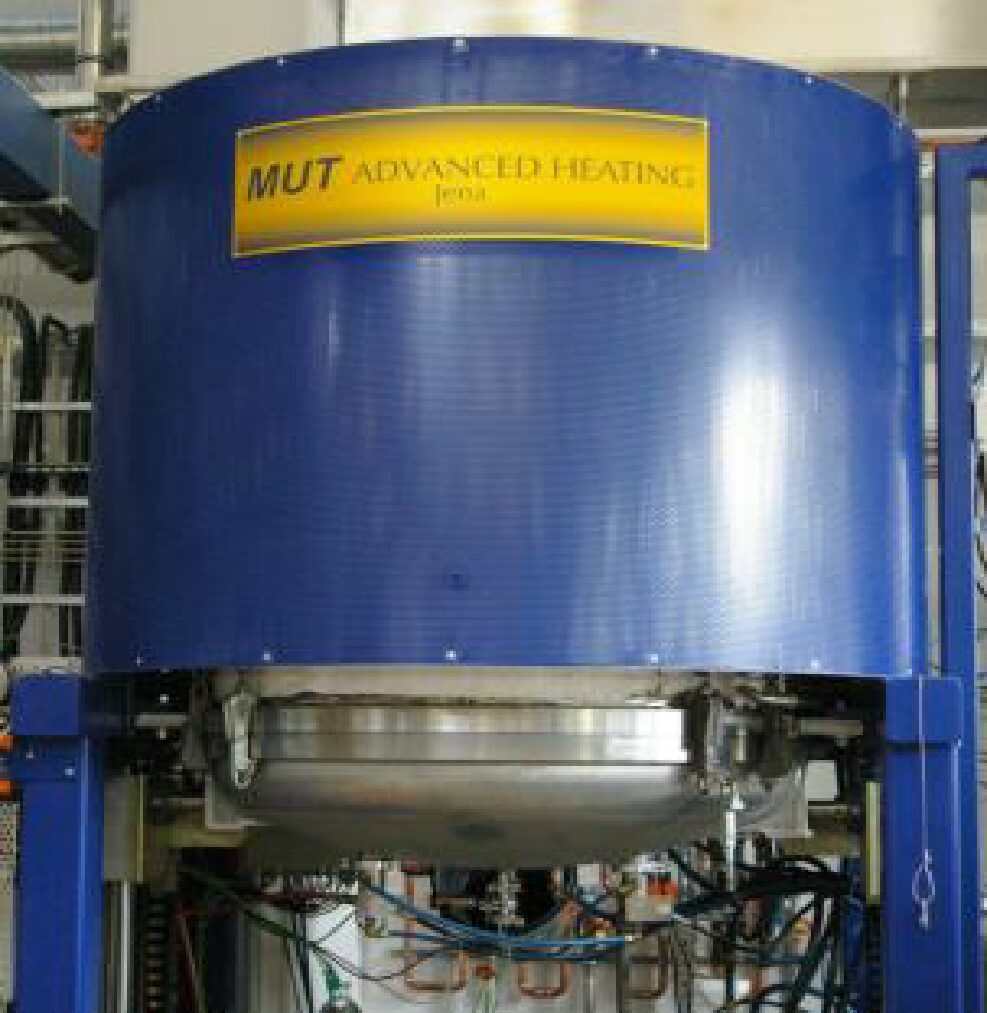
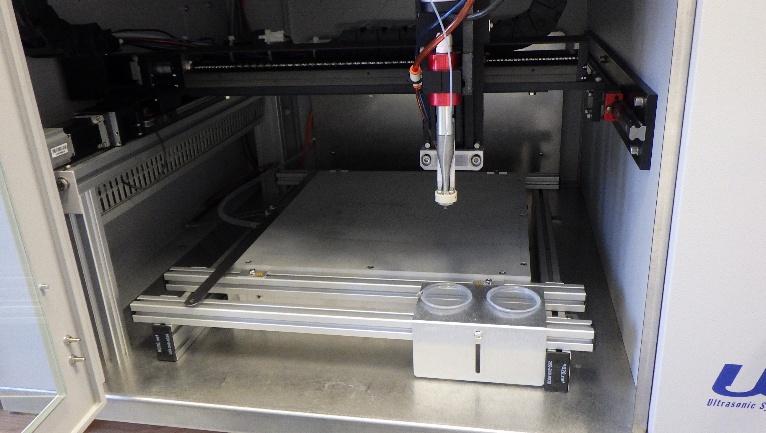
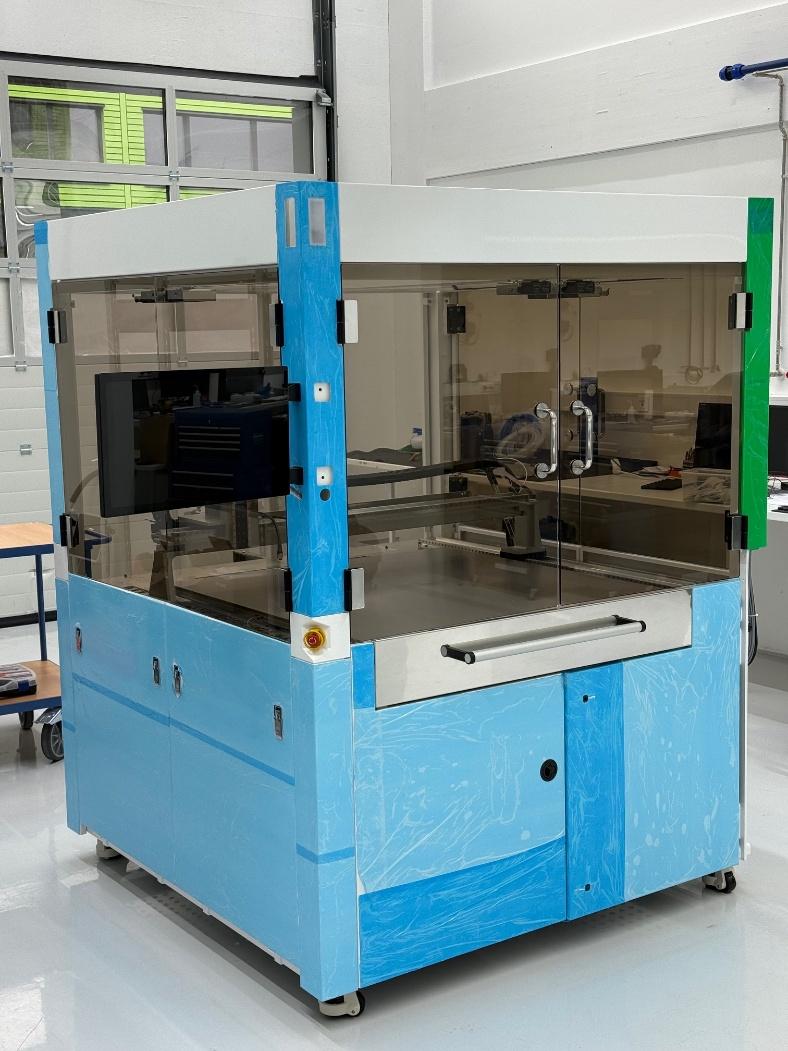
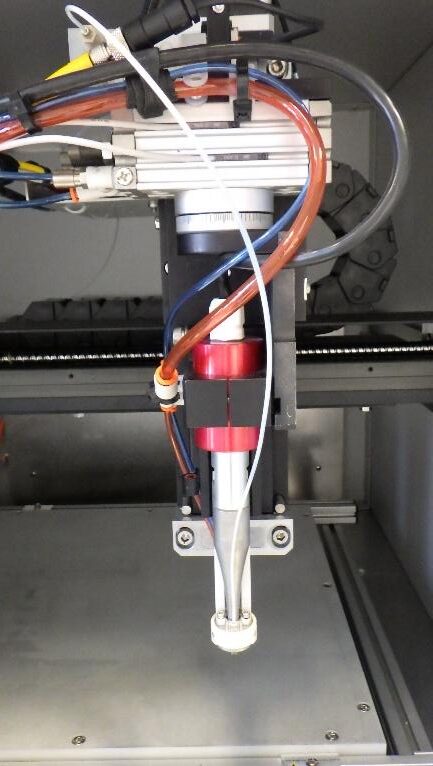
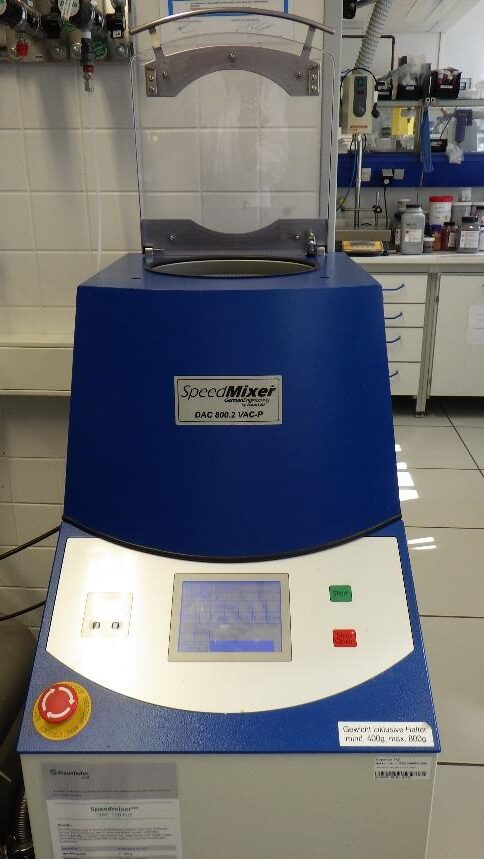
Due to the large and continuously increasing electrode areas required for AEL, manufacturers face the challenge of producing electrodes with a highly active catalyst layer that is permanently and mechanically bonded to the substrate across the entire surface. A scalable coating process is therefore required, which can be adapted to the different material systems used for OER and HER. The automated spray coater and advanced heat-treatment facilities of PL1 provide the possibility to uniformly deposit catalyst-containing inks or slurries onto substrates with various sizes. Electrode quality control and electrochemical characterization under relevant test conditions complement the manufacturing process and its optimization.
Key Characteristics & Goals
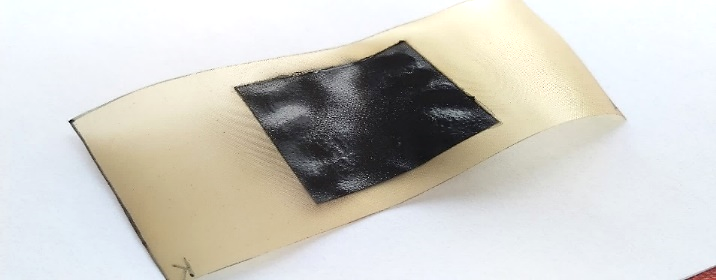
- Advanced Manufacturing: Production of highly active sintered electrodes for AEL and AEMEL using an automated spray coater
- Scalability: Transitioning from lab-scale to industrial dimensions with active coating areas in the range of 1 m²
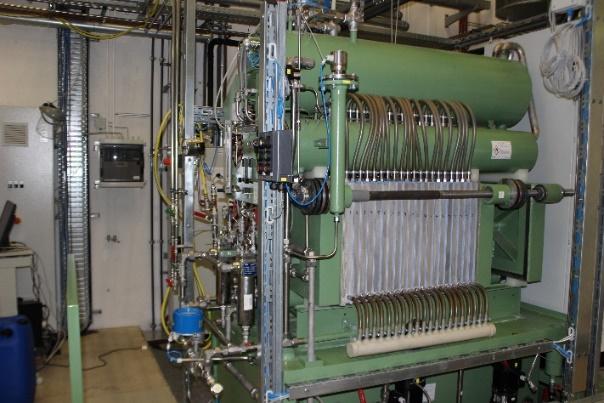
- Material Testing: Precise structural (SEM/EDS, cross-sections and topography, XRD), chemical (elemental analysis of O, N, H, C, S and ICP-OES), and mechanical testing along the whole process chain.
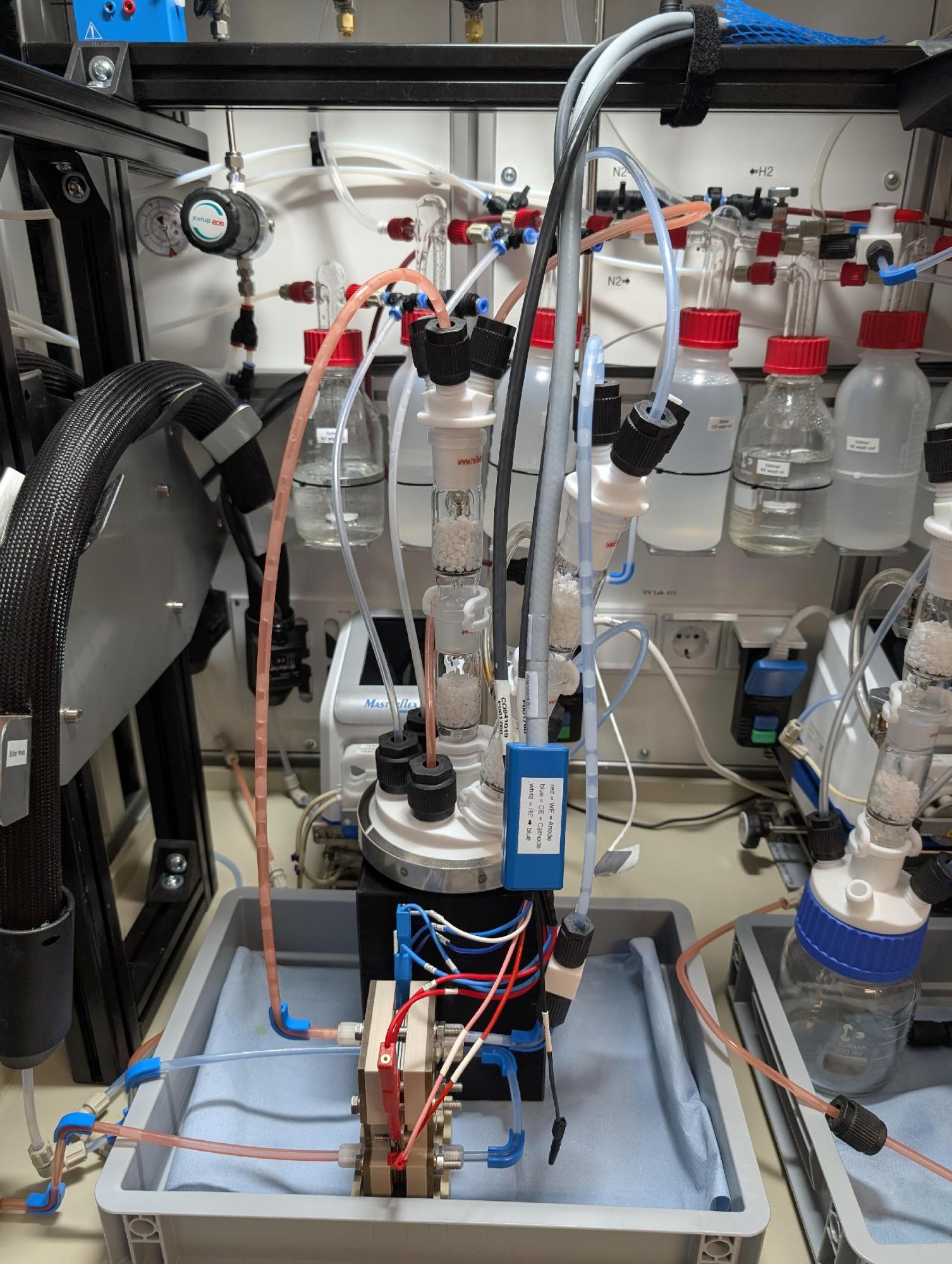
- Electrochemical Testing: In-depth characterization using galvanostatic measurements, cyclic voltammetry, impedance spectroscopy, and Tafel analysis. Three-electrode assemblies, single cell setups with two reference electrodes and gas-purity monitoring as well as stack tests including rainbow stacks. Conditions ranging from room temperature to 120 °C, ultrapure water to 40 wt% KOH, including waste and seawater, and from ambient pressure to 80 bar.
- Material Innovation: Highly active, PGM-free, permanently stable electrodes based on metal foams or meshes are produced for AEL using an automated, scalable spray process.
Benefits & Potential
- For Industry: Reduced time-to-market for new electrodes and cells for AEL, complemented by the development of new electrocatalysts and individual adaptation of the spray parameters for more efficient and uniform scalable production process.
- Cost Efficiency: The use of PGM-free catalysts and the automated spray process lead to more sustainable, faster and overall more efficient process chains.
- Durability: Process control and uniformity of the catalytic coatings are the key parameters to enable high performance and long operating times exceeding 100,000 hours.