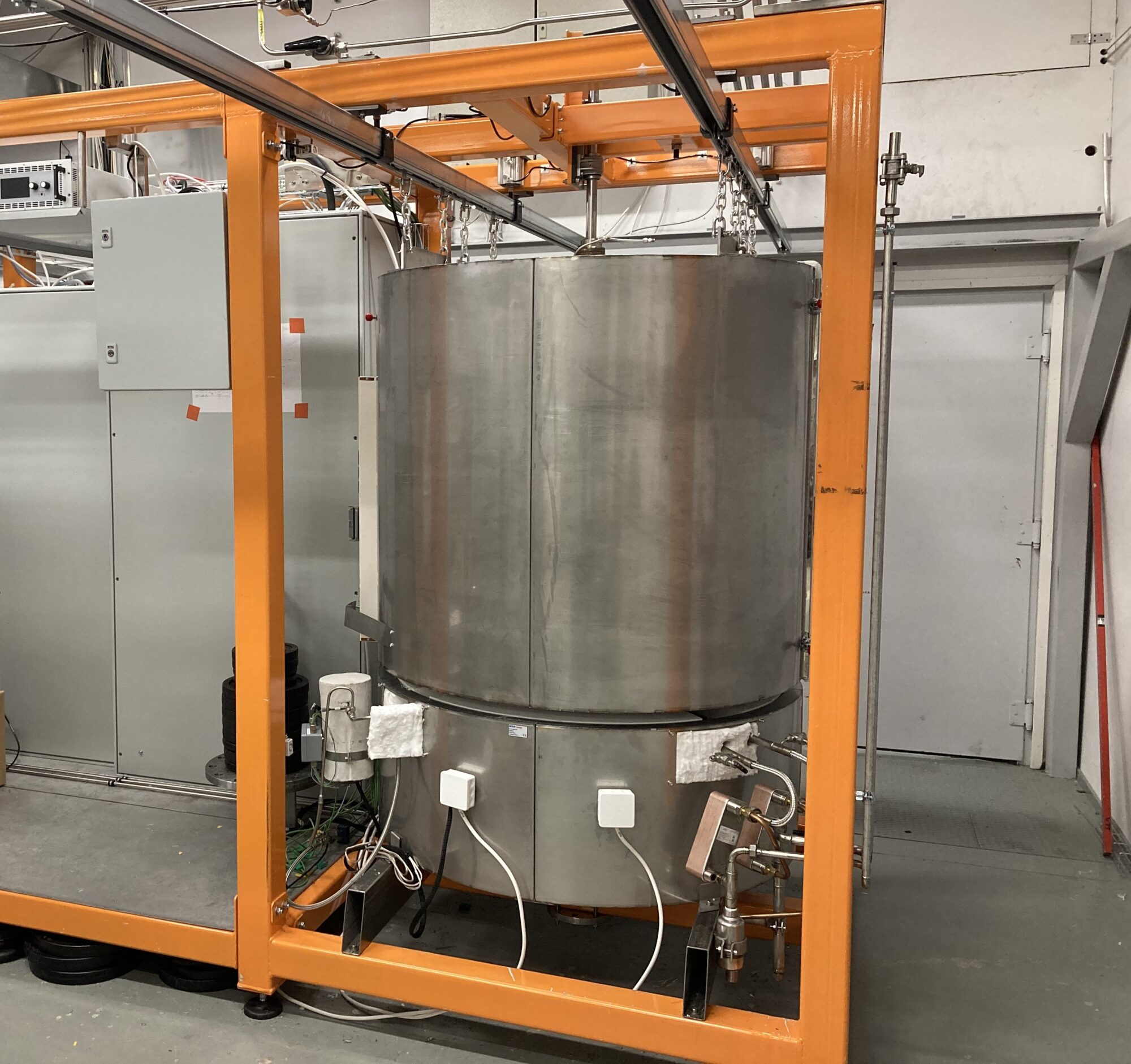
SOC cell, stack and BoP component testing

Overview
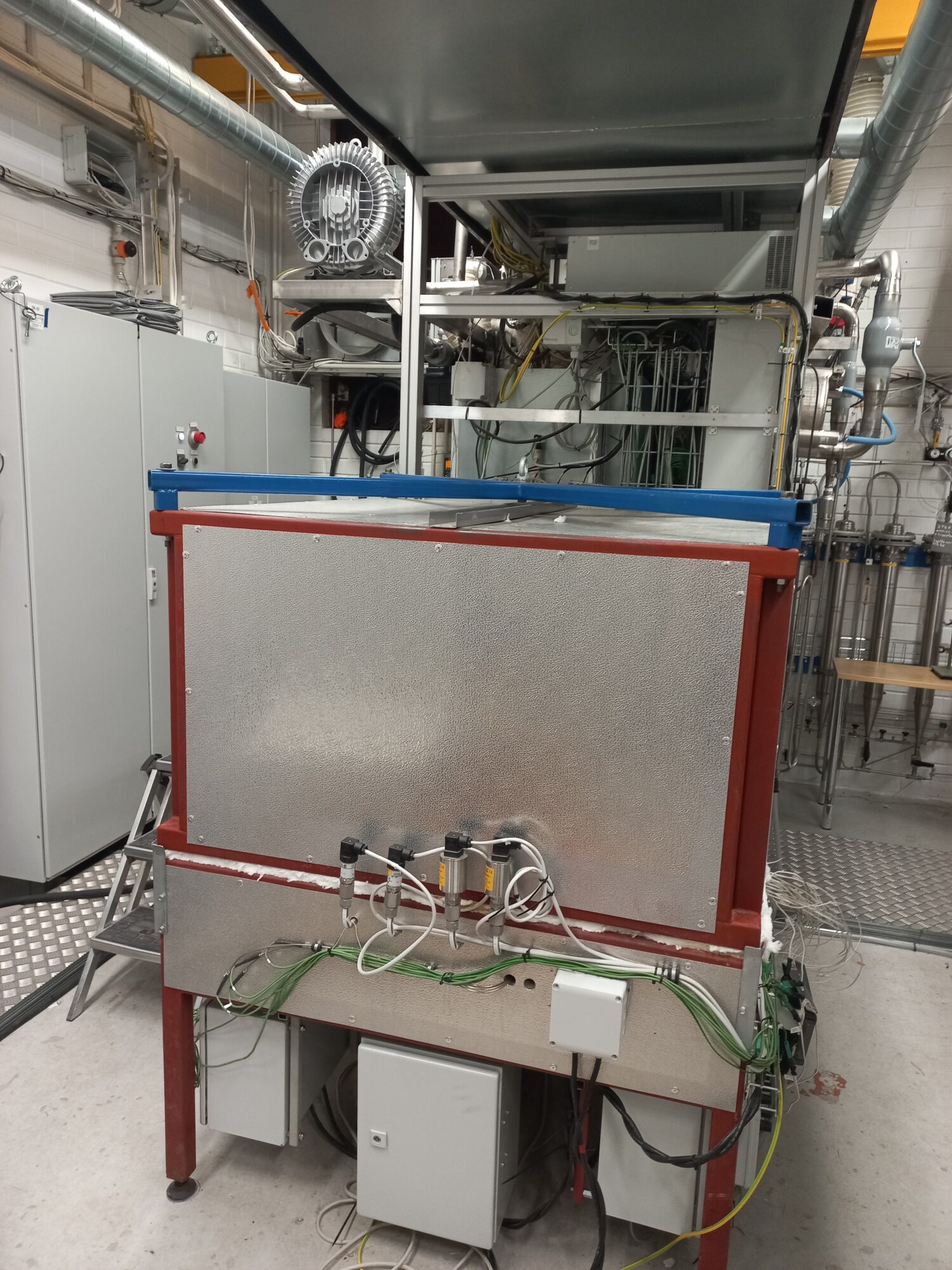
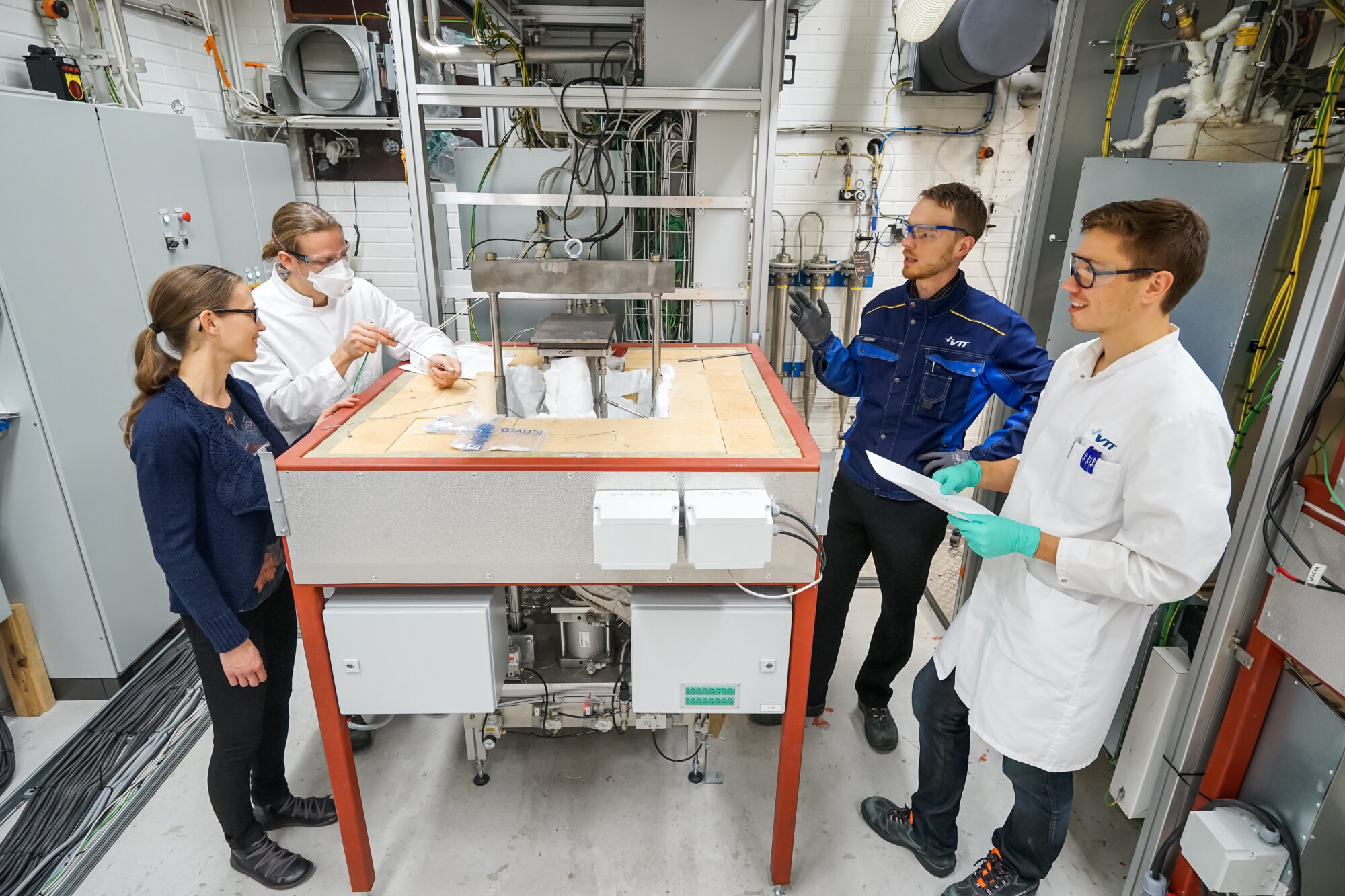
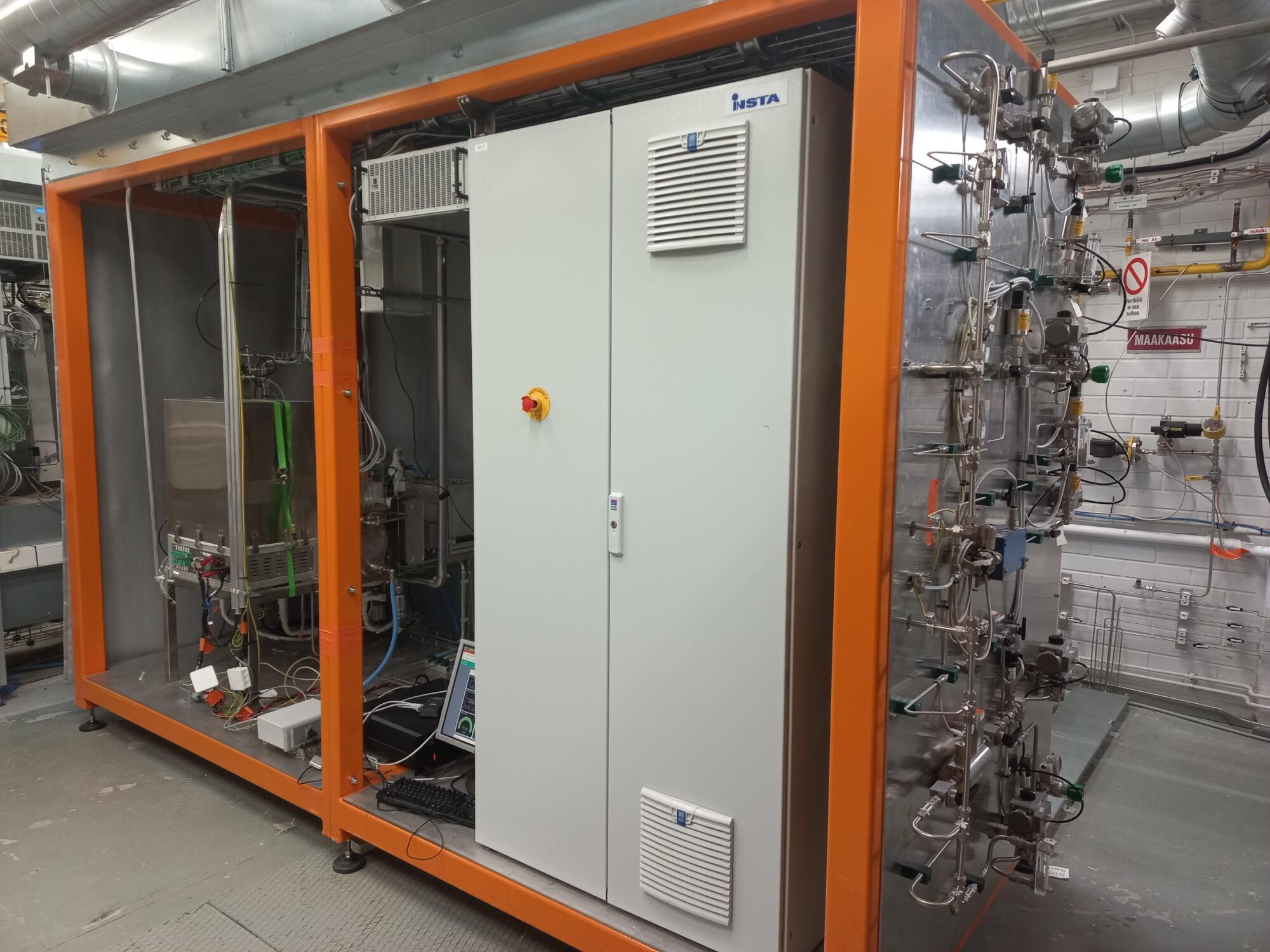
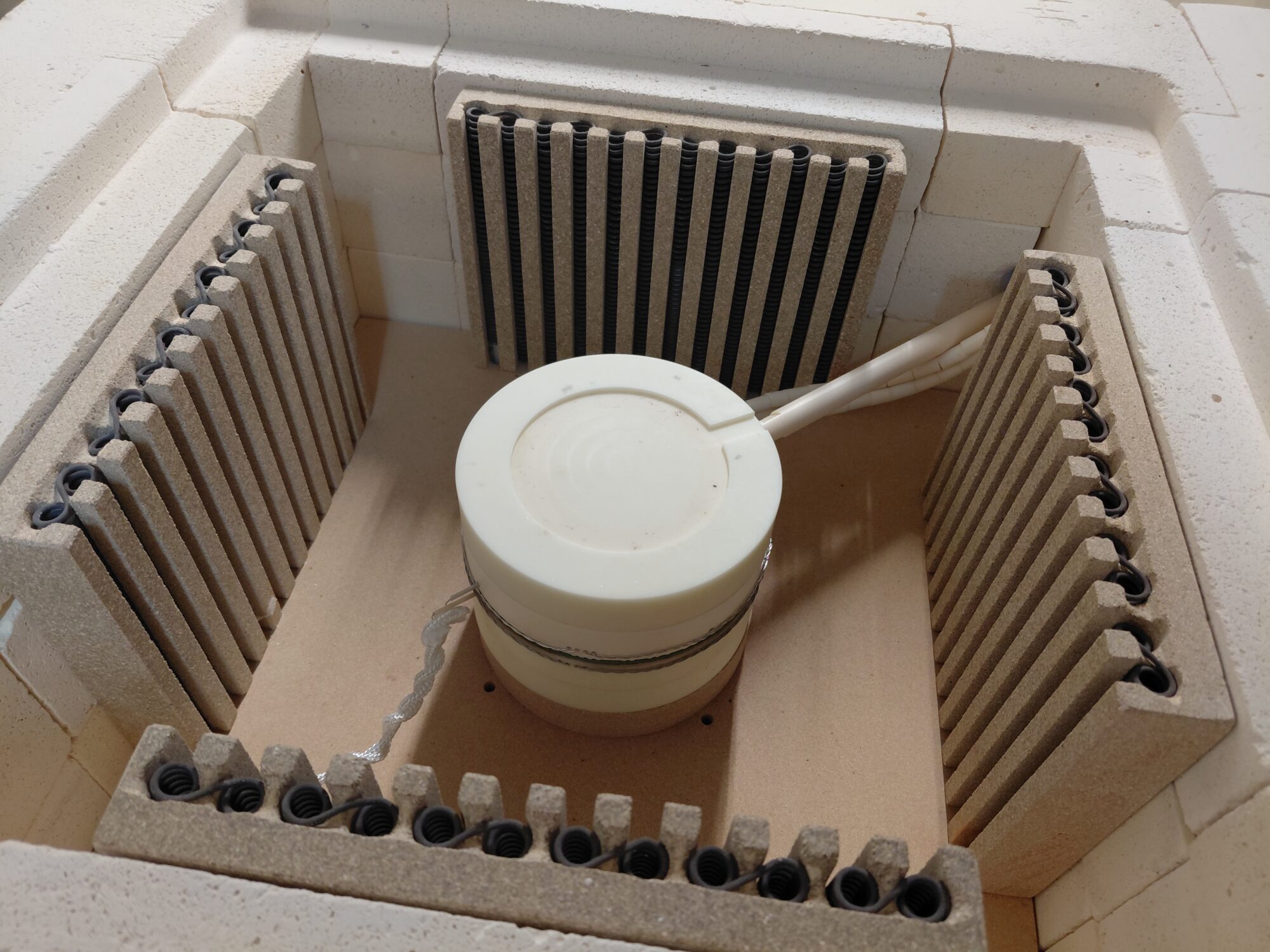
PL9 provides SOC testing from single cells to stack, module and system level (up to tens of kW), in addition material and BoP component testing are usually done. Most typical testing cases are long-term testing and different performance mappings, with large variety of possible fuel gases (H2, natural gas, ammonia, steam, methanol, …). Since all test rigs are in-house build, modification to meet the needs of customer are usually straight forward.
In addition to SOC testing, modelling (components to system level), testing for PEM and Alkaline stacks and systems can be offered.
Key Characteristics & Goals
- Long-term and performance mapping for single cells up to stack, module and system level.
- Test rigs are easy to modify to meet the needs of the customer.
- Modelling (components to systems), testing also for PEM and Alkaline.
Benefits & Potential
Our testing services are used for many different reasons, but two main cases are to further develop the product and/or to verify the product performance. Testing for further development (for manufacturers) contains usually long-term testing, different stress tests (thermal and load cycling) and/or performance tests. Performance verifications are often done both for manufacturers and for the end users to test that the products meet the needed requirements.
Technical Specs
Parameter | Capacity | Comment |
SOC Stack/module power | 0 – 50 kW | SOFC, SOEC, rSOC testing Higher powers can be discussed |
Possible fuels/gases | Air, Steam, H2, N2, Methanol, Ammonia, Natural/Biogas | Others can be discussed |
Long-term testing | Up to years of continuous operation | |
Performance mappings | IV, FU/RU, Thermal/Load cycling, EIS, … | Can be designed to meet the needs |
BoP/Material testing | Elevated temperatures, different atmospheres, … | |
PEM testing | PEMFC, PEMEL | Further details discussed |
Alkaline testing | Further details discussed |